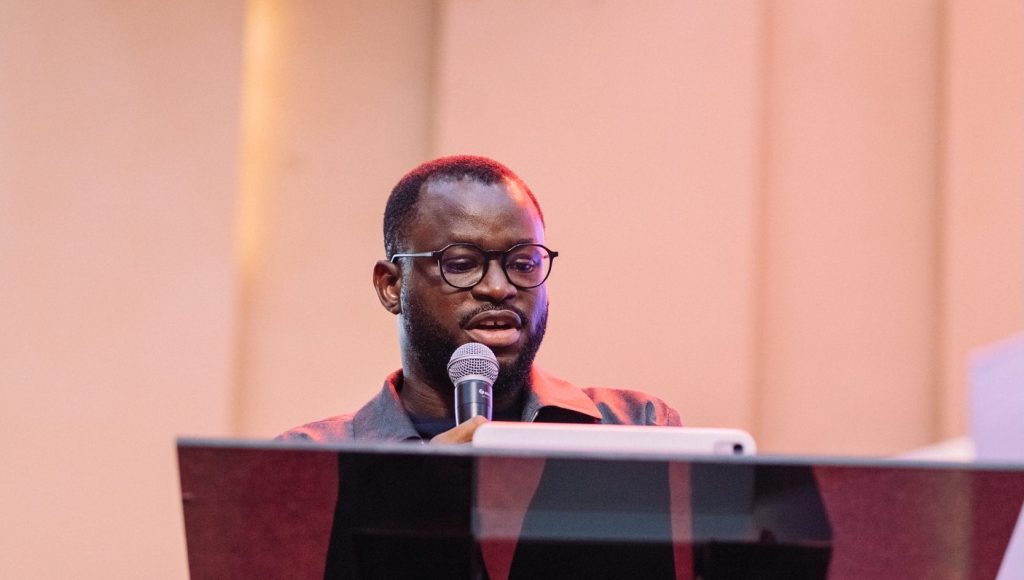
Below are excerpts from my fireside chat at the just concluded Enugu Tech Festival on the 24th of February, 2026.
In the global digital landscape of 2026, Nigeria is no longer just a participant; we are a powerhouse. We often hear our nation described as the “heartbeat of Africa,” and during our discussion in Enugu, it was clear that this heartbeat is being amplified by every stream, every cinematic frame, and every line of code written by our resilient creators.
But as we celebrate our cultural ascent, we must confront a pivotal question: Are we just trending, or are we building?
The Shift from Influence to Income
For decades, Nigeria’s global identity was shaped by headlines we didn’t write. Today, our stories have become our greatest export. Whether it is a gamer in Seoul playing a Nigerian-developed title or a family in Bogota binging a Nollywood series, the world is engaging with Nigerian Soft Power.
However, we must recognize that “influence” is not synonymous with “income.” While our culture has gone global, our ability to capture the full economic value of that influence is still catching up. We are navigating a digital reality where algorithms often dictate visibility, forcing a delicate balance upon our creators: How do we feed the algorithm without starving our authenticity?
Bridging the Structural Gap
To move from the fleeting high of a “viral moment” to the sustainable foundation of an export-scale business, we must address the “scaffolding” of our industry. We need to stop viewing the creative sector as mere entertainment and start treating Intellectual Property (IP) as infrastructure.
The transition from “vibe” to “value” requires three critical shifts:
- IP-Backed Financing: We must empower financial institutions to recognize and value intangible assets. Through the National Intellectual Property Policy (NIPPS), we are finally creating a framework where a music catalog or a film script can serve as bankable collateral.
- Training the Algorithm: Rather than “gaming” the system, creators must “train” it. By staying hyper-authentic and leaning into our unique cultural nuances, we create high-intent communities that global platforms are eventually forced to recognize.
- Formalization: To scale, we must move from “creators” to “founders.” This means embracing business education, formalizing contracts, and understanding international licensing.
The Role of Policy and Partnership
The government and the private sector have a shared responsibility to protect this “New Oil.” The 2022 Copyright Act and the 2026 IP reforms aren’t just legal documents; they are the tools that ensure our creators aren’t just famous, but wealthy and protected.
The private sector, particularly the banking and tech industries, must act as the chief promoters of our digital exports. Providing 5G infrastructure and low-interest creative loans isn’t just “support”—it is an investment in Nigeria’s most stable currency: our culture.
The Vision for 2030
Our goal is simple yet ambitious: To ensure the Nigerian story isn’t just a guest at the global table, but the one owning the kitchen.
As we look toward the 2030 goal of a $100 billion creative economy, let us remember that while oil prices fluctuate, the global demand for Nigerian creativity only grows. Virality is a moment, but Intellectual Property is a legacy. It is time we move from trending to trading.

